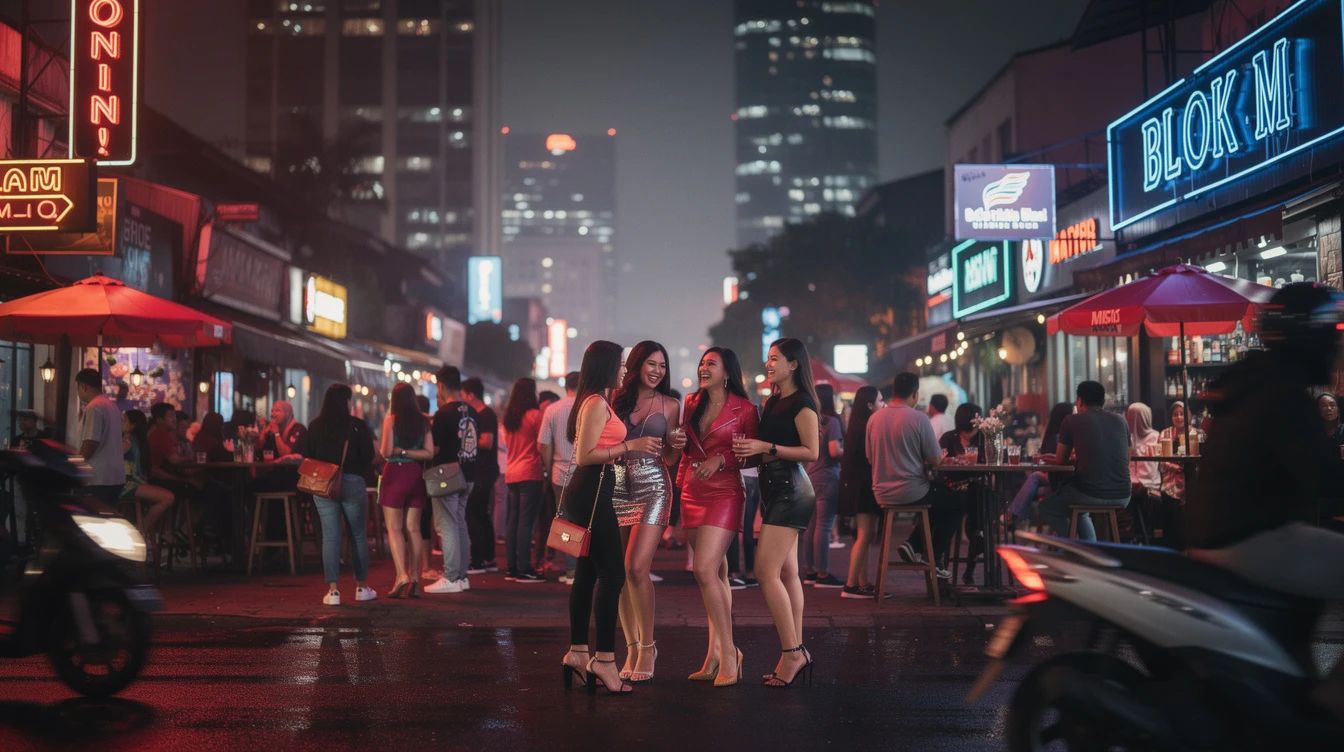
Jakarta
Contents
Overview
Jakarta is the opposite of Bali — a working capital of ten million where the nightlife hides in plain sight and rewards the people who already know where to look. The centre of the international scene is Blok M in the south, a bar strip beside the Little Tokyo expat pocket of Melawai that has run a Bangkok-style operation for decades and remains the first stop for anyone who knows the city. The bars here are small, dense, and unpretentious, and the crowd is a long-running mix of expats, locals, and the women who work the strip. Kota, the old town in the north, adds an older and grittier club layer for those who want it. Jakarta is not a place you stumble into; after the 2016 demolition of the Kalijodo red-light district, the scene dispersed into exactly this kind of bar-and-club arrangement rather than anything concentrated enough to bulldoze. Cheaper than Bali, less polished, and more rewarding if you do the homework.
Red Light Districts
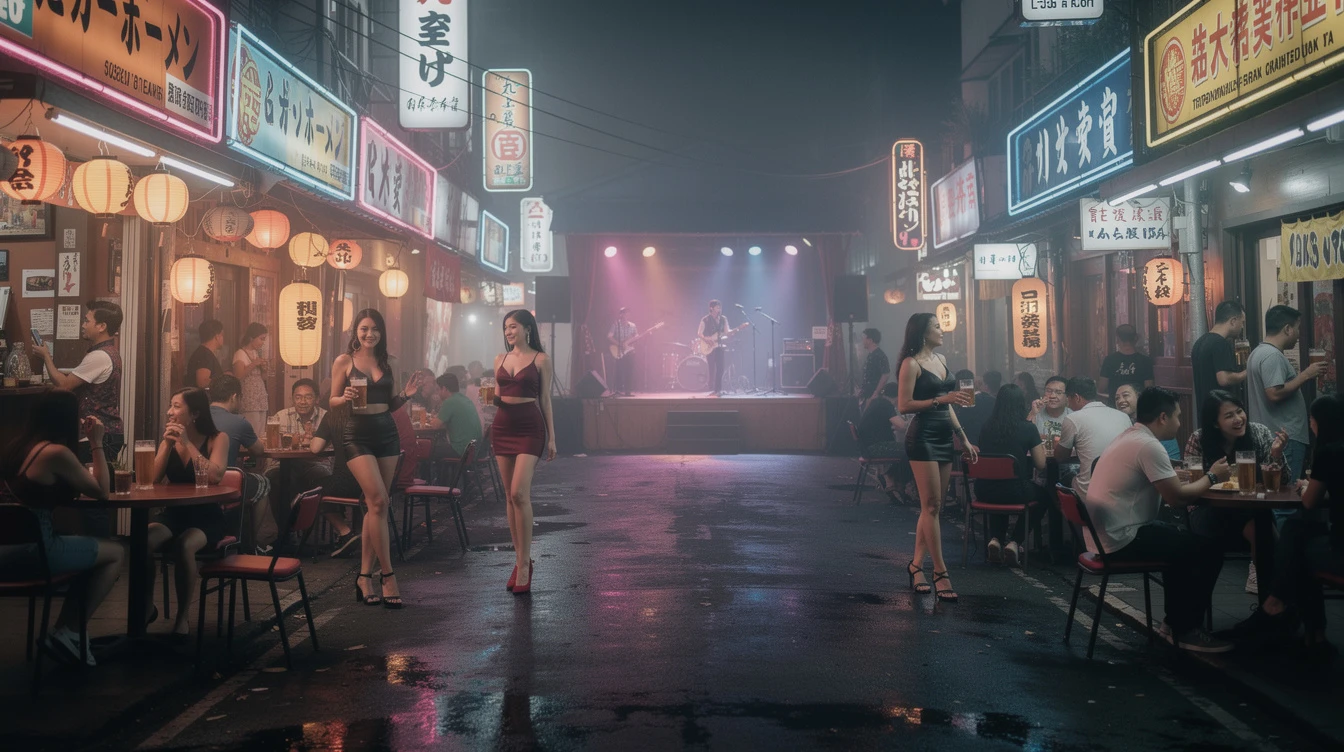 7 venues
Blok M
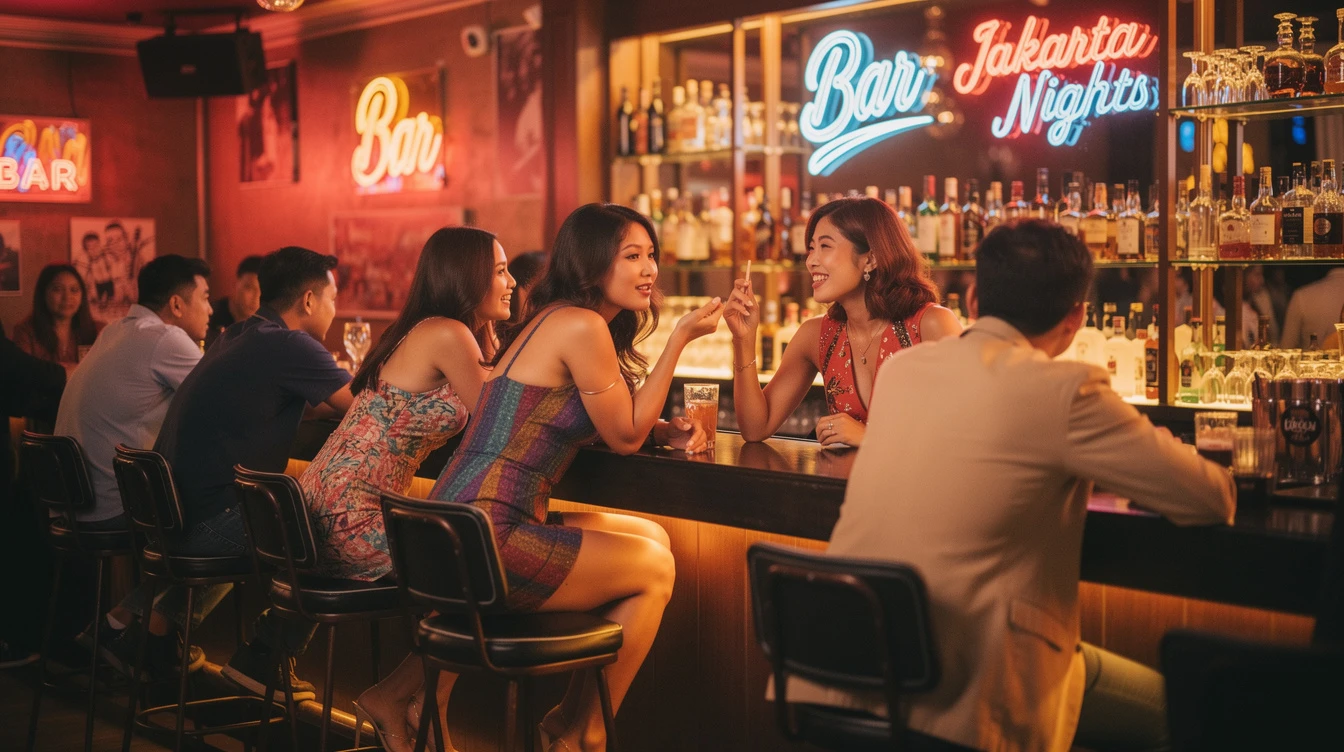
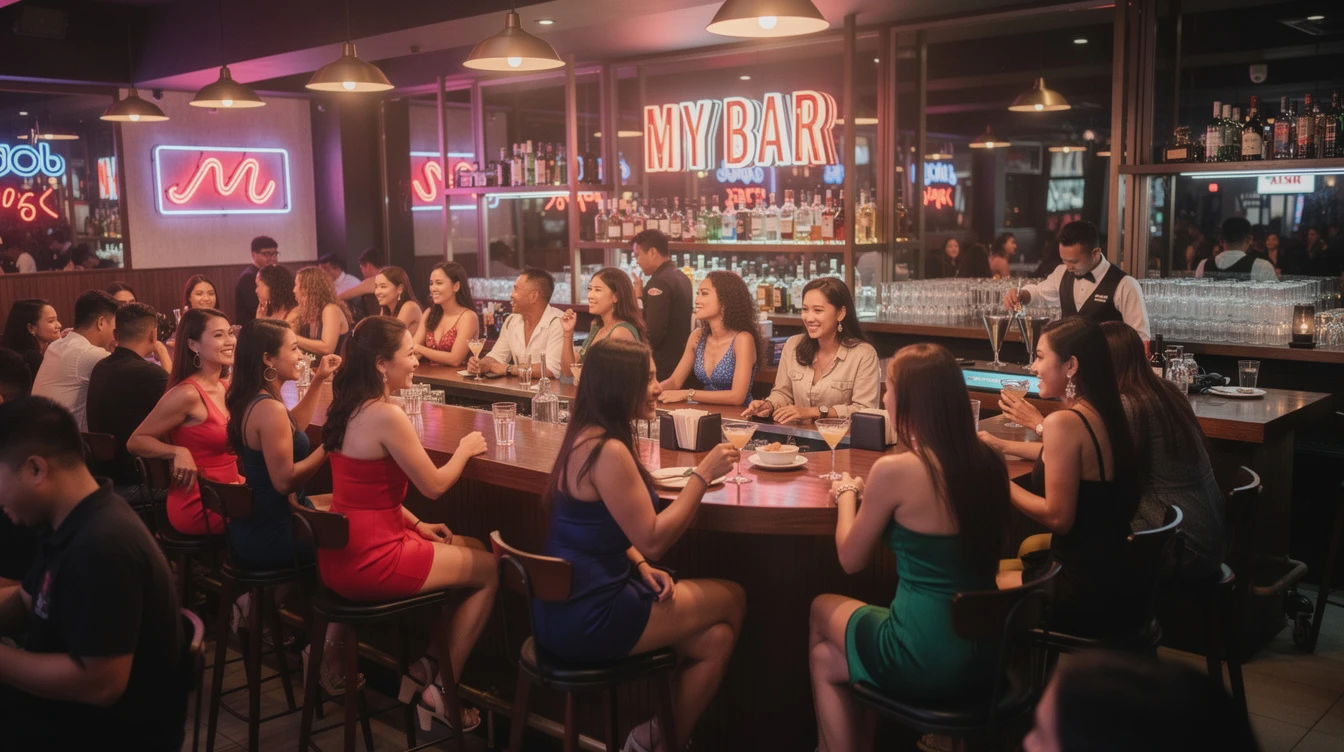
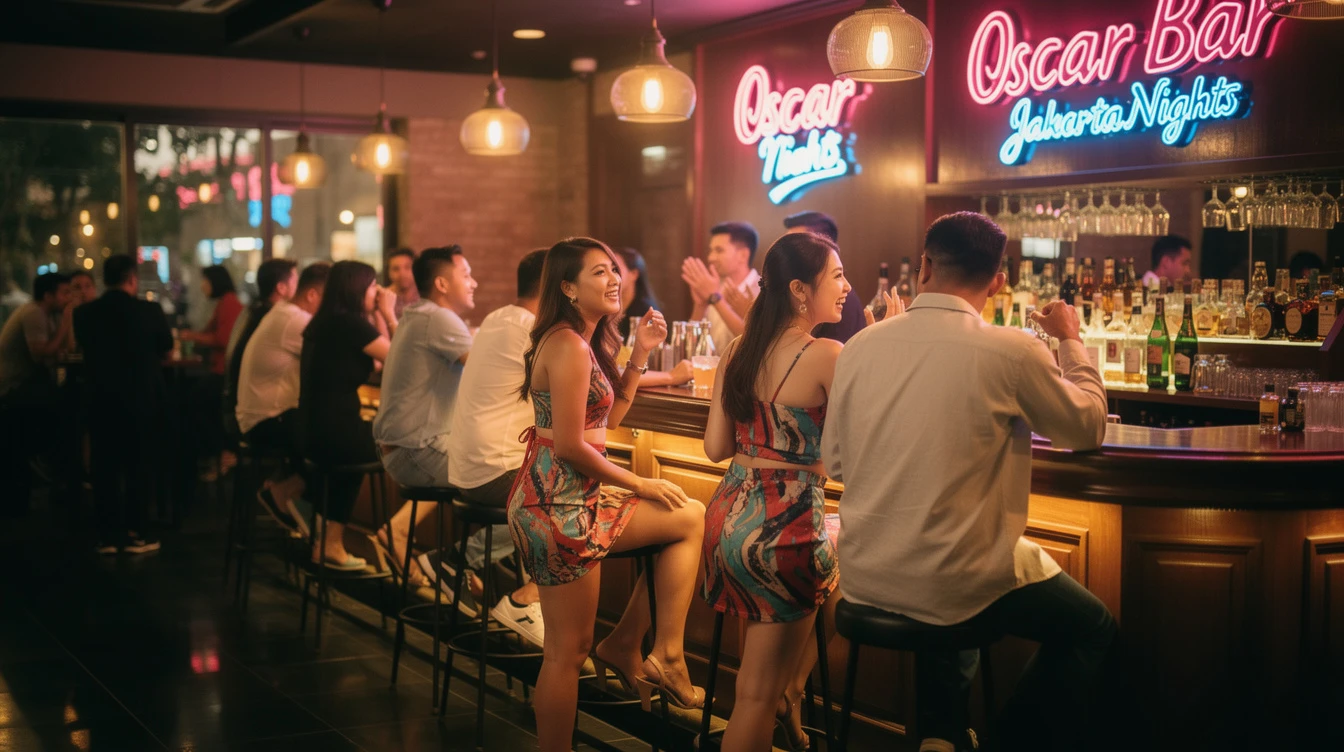
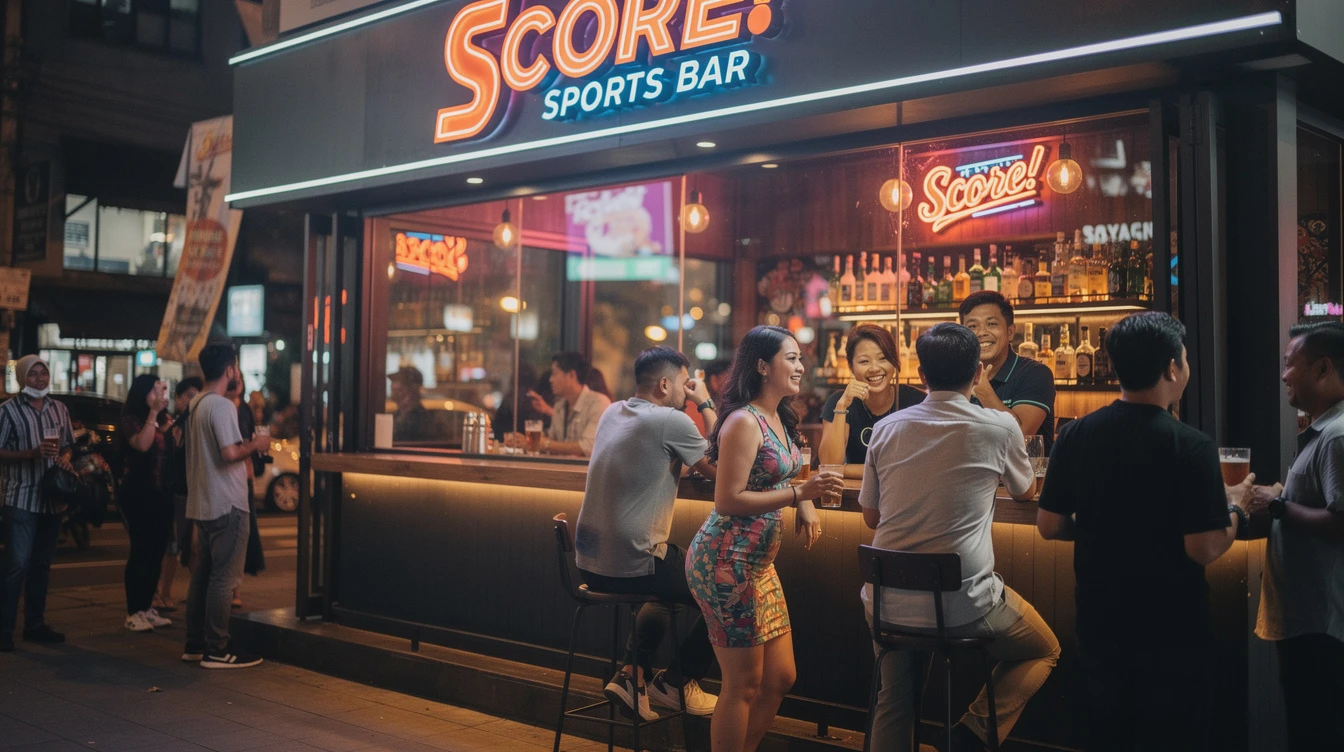
Blok M is the heart of Jakarta's international nightlife, a bar strip in the south of the city that has run a Bangkok-style scene for decades. It sits beside Melawai, the Little Tokyo expat pocket, and the two overlap into a dense cluster of small, unpretentious bars where the capital's foreign crowd has gathered for thirty years and more. The bars here are tiny, friendly, and unposted — a long-running expat-strip model with live music, cheap beer, and a regular clientele that knows the staff by name. The crowd is a steady mix of expats, locals, and the women who work the strip. After the 2016 demolition of Jakarta's Kalijodo red-light district, this kind of dispersed bar arrangement became the centre of the city's scene, and Blok M is its clearest expression. It is the first stop for anyone who knows Jakarta and the easiest place in the capital to find your feet.
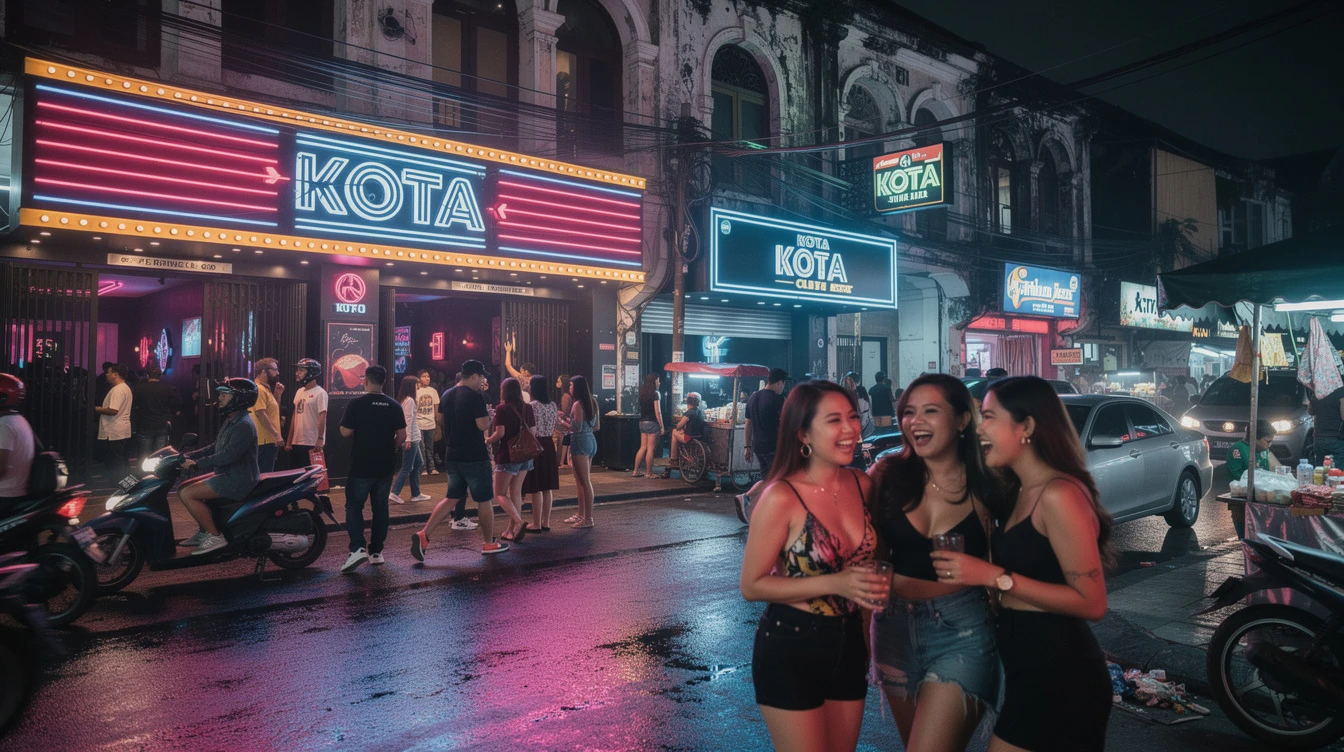 4 venues
Kota
Kota is Jakarta's old town in the north of the city, and its nightlife is the grittier, more local counterpart to Blok M's expat strip. This is the historic colonial quarter, and after dark it carries a cluster of large clubs and entertainment complexes that run a younger, louder, more Indonesian crowd than the southern bars. The scene here is club-driven rather than bar-driven — bigger rooms, bottle service, and DJ nights rather than the small friendly joints of Blok M. It is less polished, less foreigner-oriented, and more of an immersion in local Jakarta nightlife, which makes it rewarding for the traveller who wants something beyond the expat circuit and harder going for the one who does not speak the room. The north-south distance from Blok M is real and the traffic is brutal, so Kota tends to be a deliberate destination rather than a casual add-on.
Venues in Jakarta





Map
Cost Guide
Jakarta is markedly cheaper than Bali and one of the better-value scenes in the region. Beer in a Blok M bar costs a fraction of a Seminyak beach club, and the whole strip runs on modest, unposted pricing. Cash is essential — the small bars do not take cards, and ATMs in the area dispense limited amounts per withdrawal. The northern Kota clubs charge entry and push bottle service but remain affordable by regional standards. Budget low here relative to the rest of your trip; Jakarta stretches further than almost anywhere else in Indonesia.
The women
Jakarta's scene is freelance and overwhelmingly local, centred on the Blok M bars where the same expat-strip model has run for decades. There are no barfines and no organised lineups — the bars are meeting grounds, the arrangement is direct, and the women travel to the capital from across Java and the outer islands for the work. English in the Blok M bars is functional and the regulars are used to foreigners, but it thins quickly elsewhere in the city. The etiquette is the Indonesian standard: discretion, respect, and patience beat the pushy approach every time. Blok M is the anchor; the northern Kota clubs run a younger, louder, more local crowd.
Safety & Scams
Bangkok is safe for tourists. The risks are almost entirely financial — know the scams before you land.
Jakarta is a big-city environment and asks for big-city caution rather than anything exotic. Petty theft and overcharging are the everyday risks; violent crime against tourists is rare. The legal exposure is higher than in Bali — this is conservative Java, and the post-Kalijodo enforcement climate means discretion is genuinely important, not just polite. Watch your drink and your tab in the busier Kota clubs. Flooding during the wet season can paralyse parts of the city. Keep arrangements private and low-key and the practical risk stays low.
Tourist police hotline: 1155. English speakers available 24/7.
Getting Around
Gojek and Grab are non-negotiable in Jakarta — the traffic is among the worst on earth, and Gojek's motorbike taxis are the only reliable way to beat it, weaving through gridlock that would trap a car for an hour. The MRT, opened in 2019, is clean and useful along its single north-south line and reaches Blok M directly. Cash app-rides are cheap. Do not attempt to hail street taxis off the meter or drive yourself; neither ends well for a visitor.
Where to Stay
For the nightlife, stay near Blok M in South Jakarta — hotels in the Melawai and Senayan areas put you walking distance from the bar strip and inside the expat pocket where the scene lives. Kemang, also in the south, is the leafier expat district with its own bar and restaurant scene and an easy ride to Blok M. Avoid basing yourself in the far north or the corporate central business district unless work demands it; the traffic between zones is brutal and will eat your evenings.
Best Time to Go
Jakarta has no real high season for nightlife — the scene runs year-round and is driven by the expat and local calendar rather than tourism. The dry season, roughly May to September, is the more comfortable time to visit and avoids the wet-season flooding that can snarl the city from November to March. Heat and humidity are constant regardless. Plan around Ramadan, when many bars reduce hours or close and the whole scene goes quiet for the month.