Indonesia
Contents
Cities 2
Map
Popular red light districts in Indonesia
See all →
All Venues


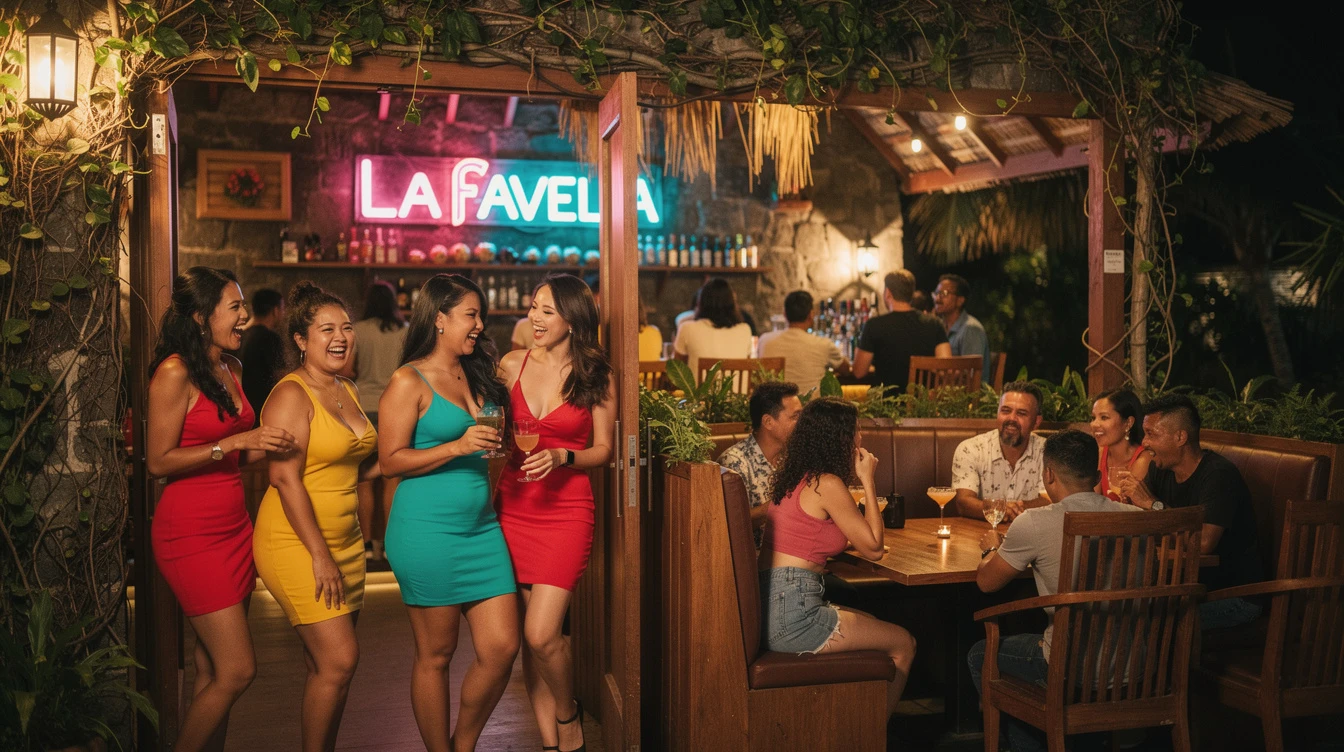
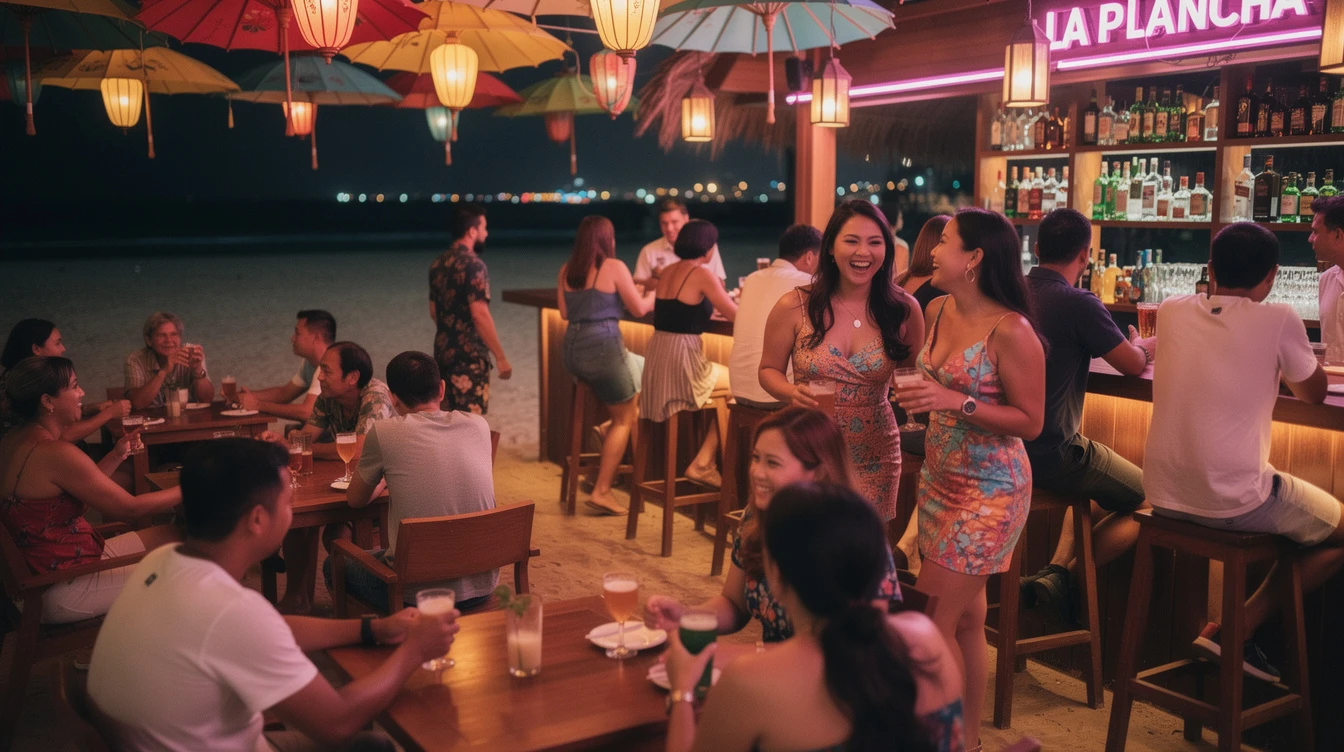
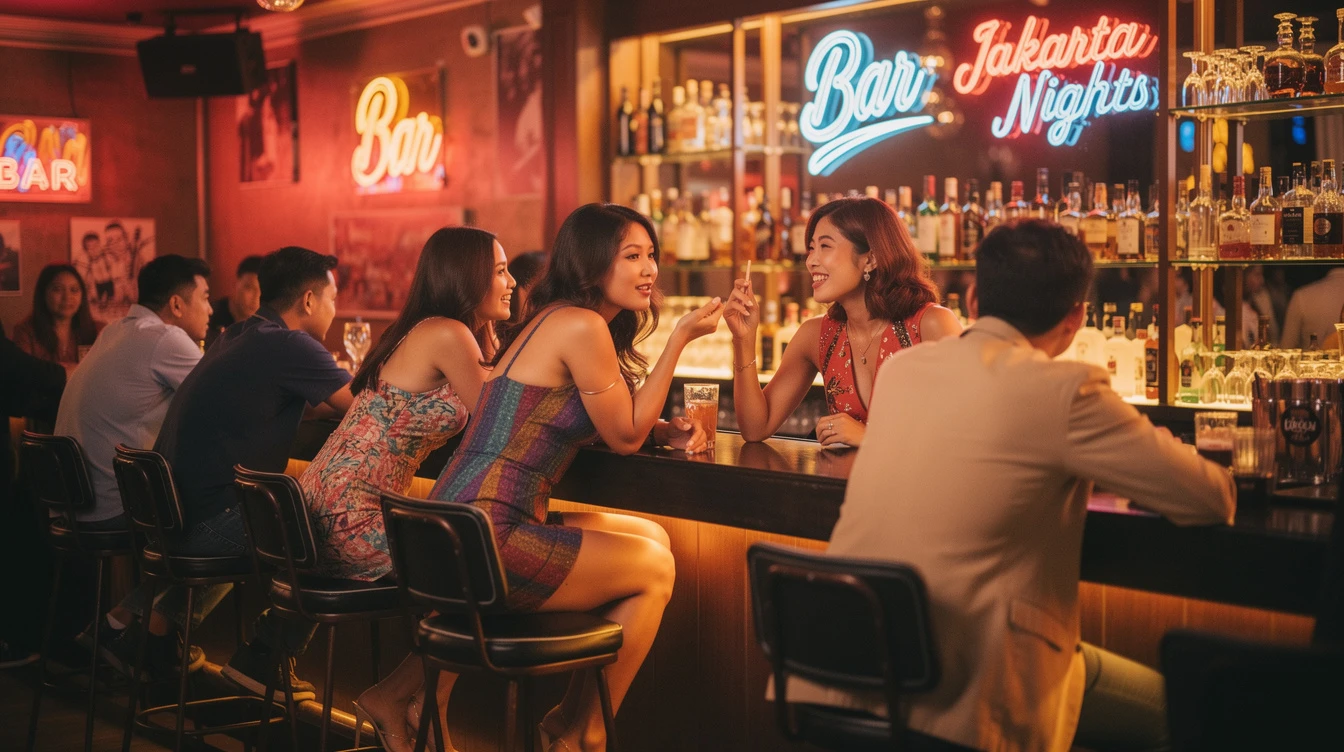
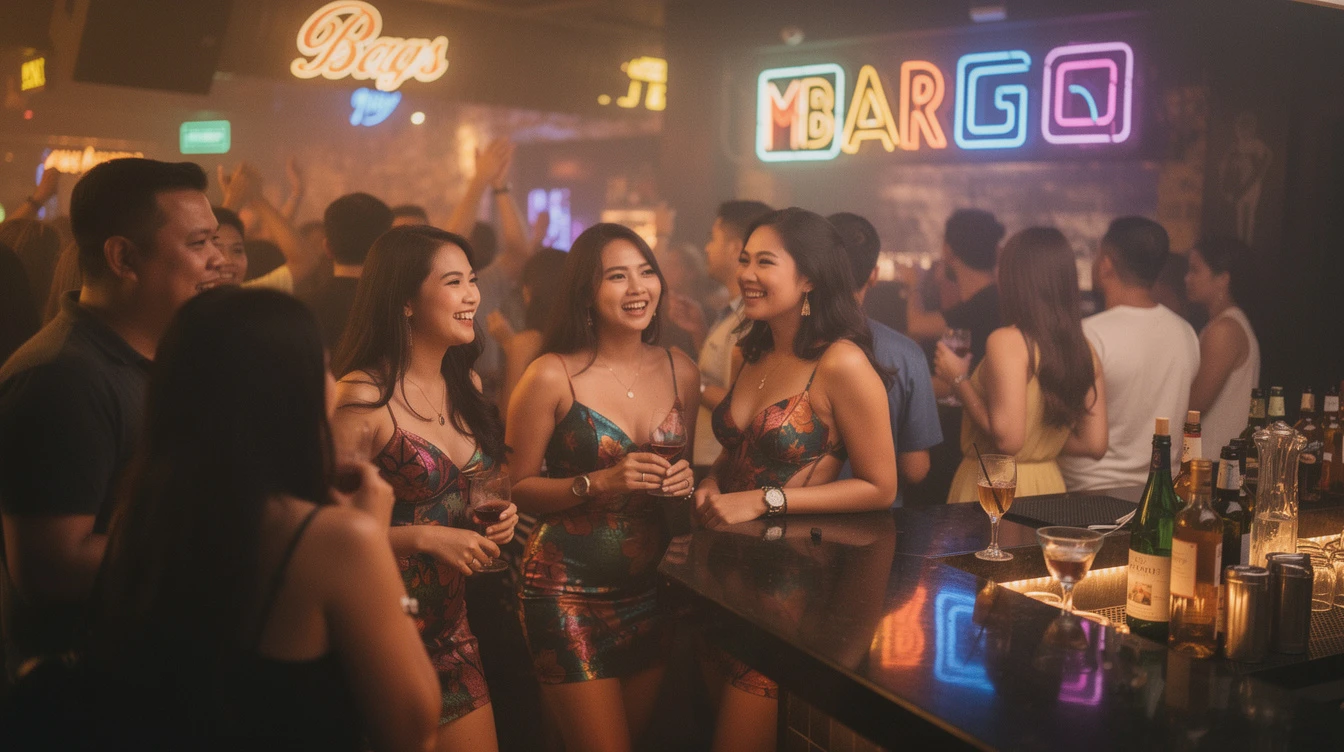
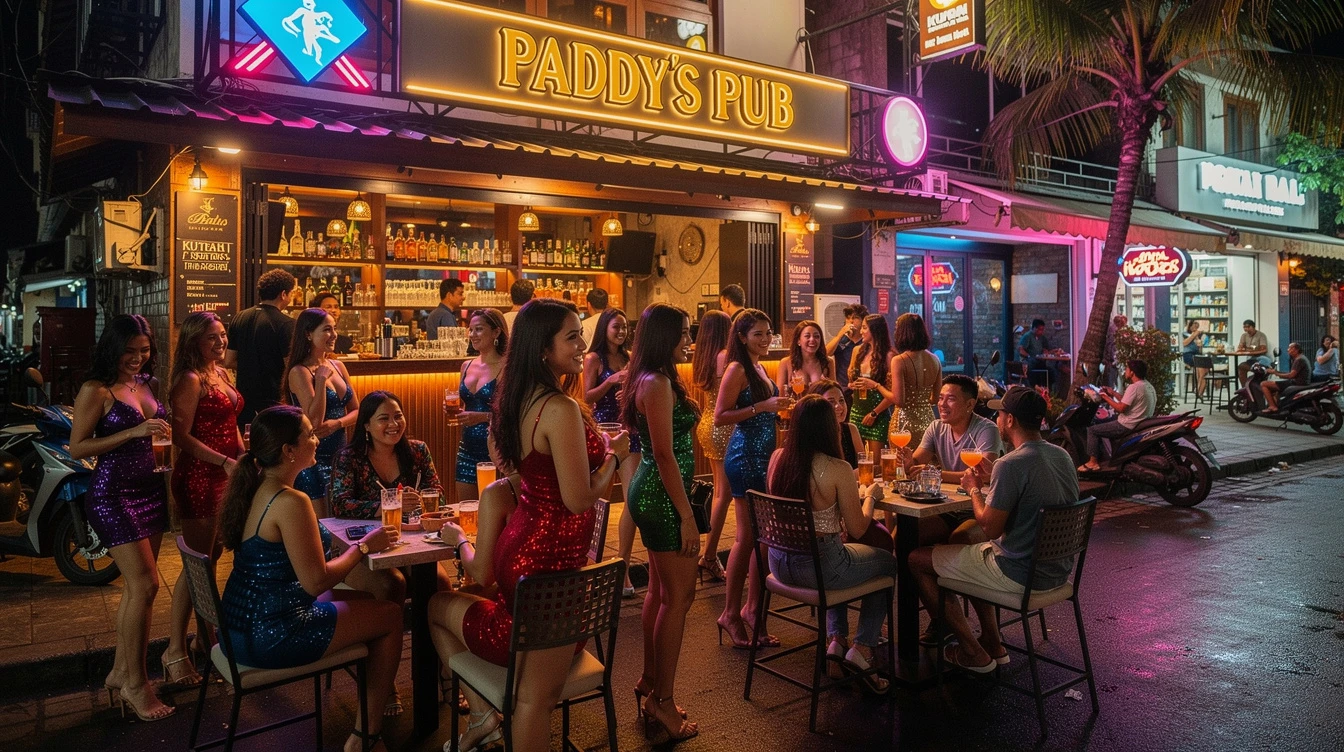
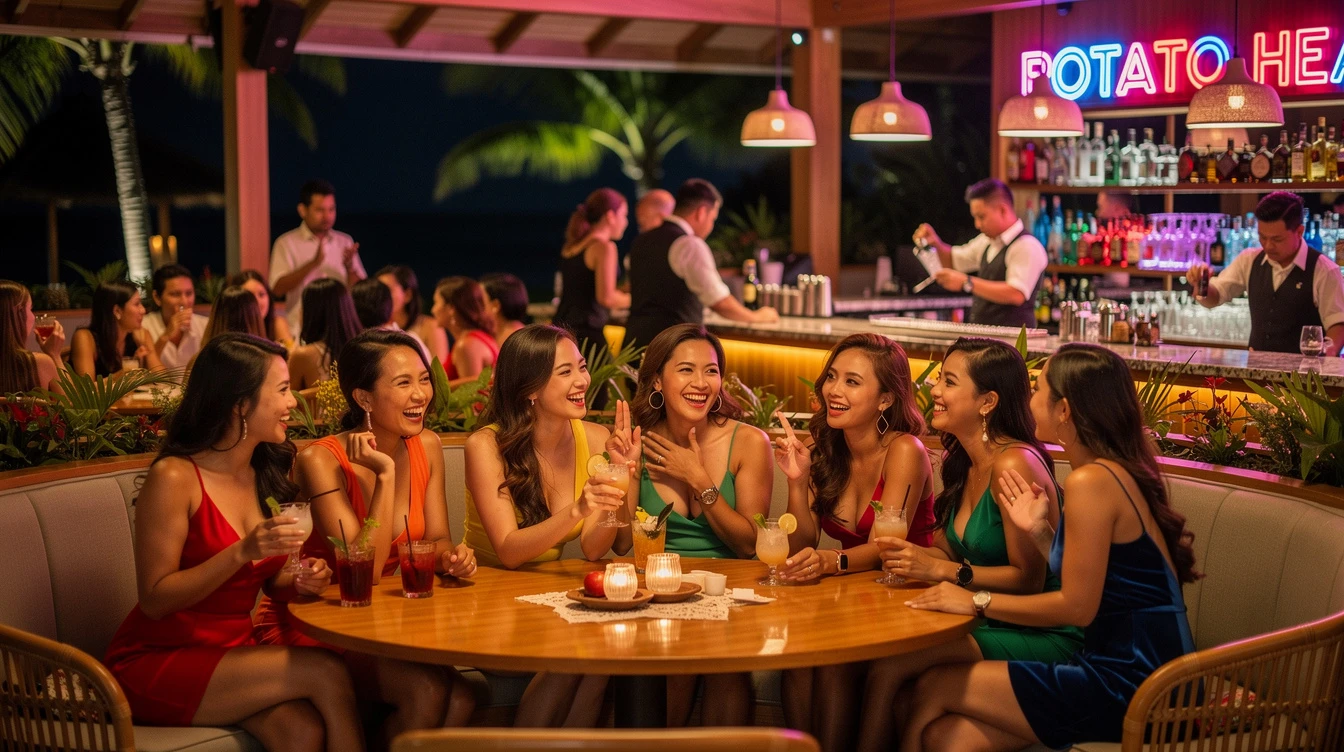
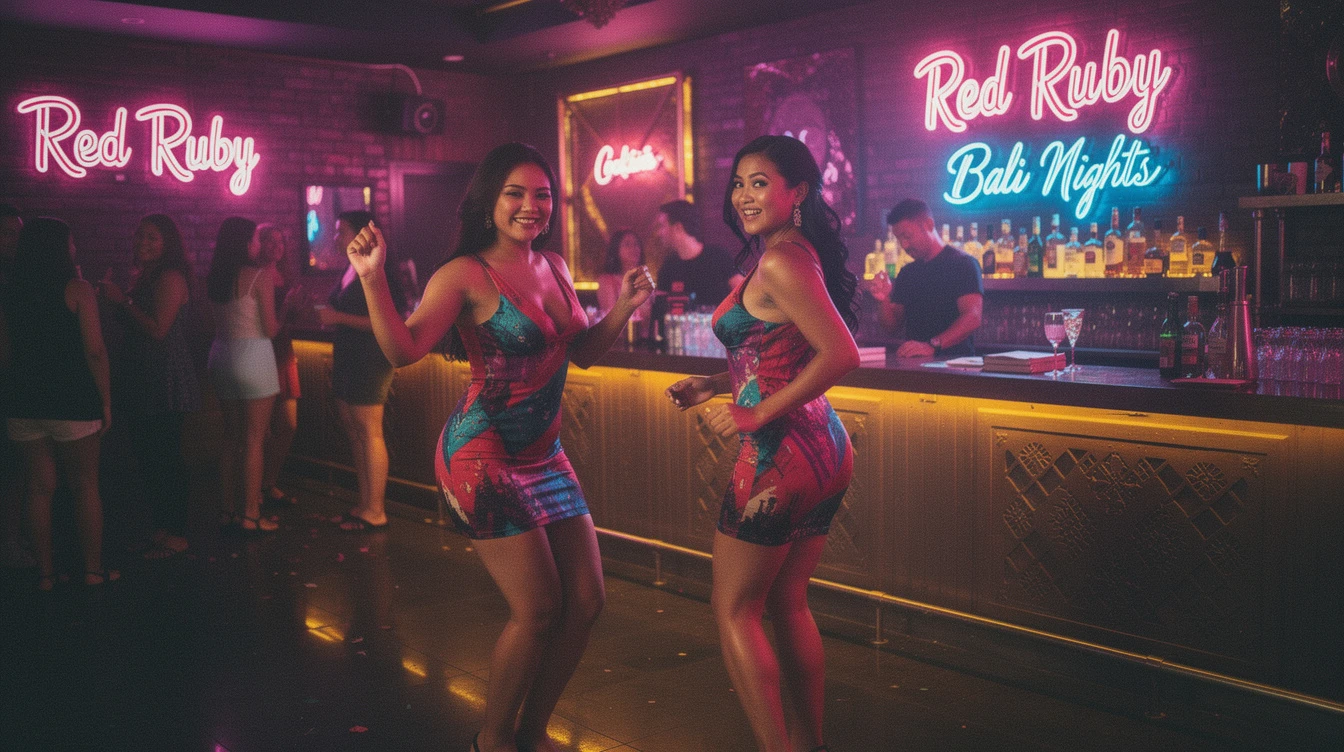
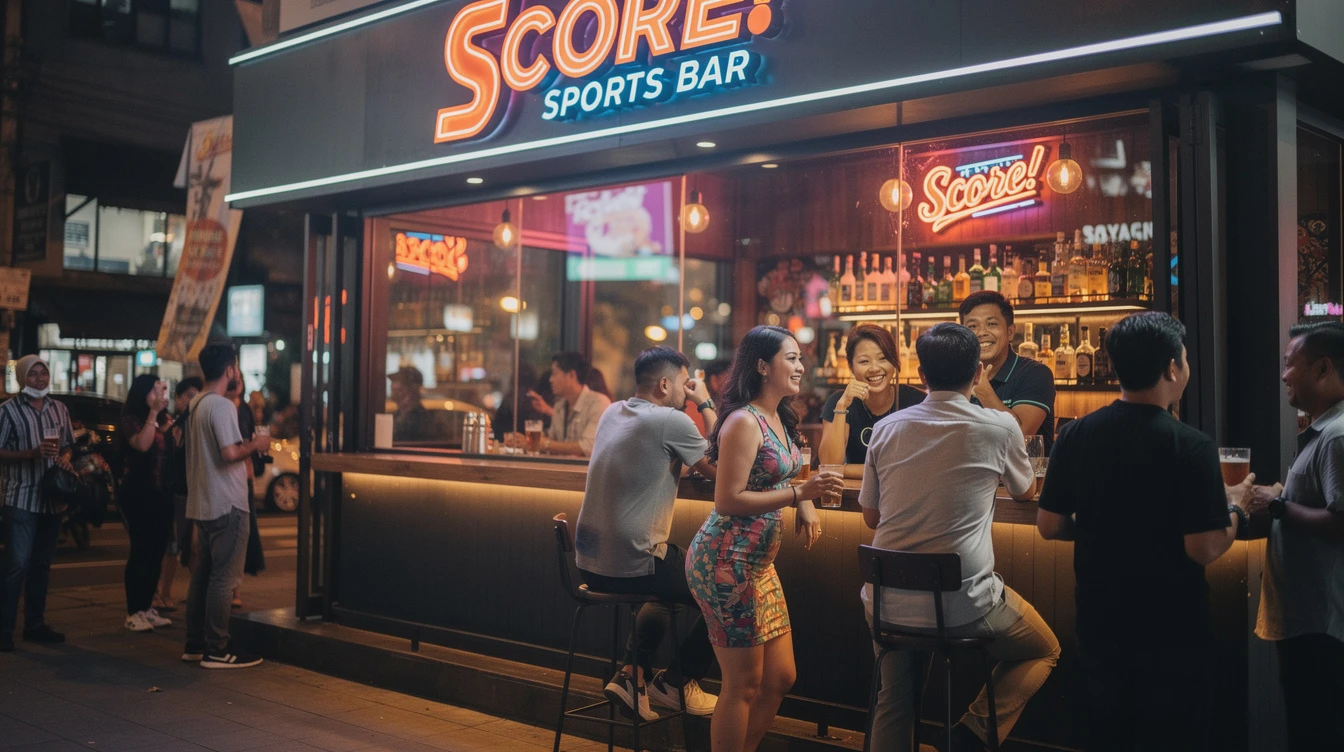

Overview
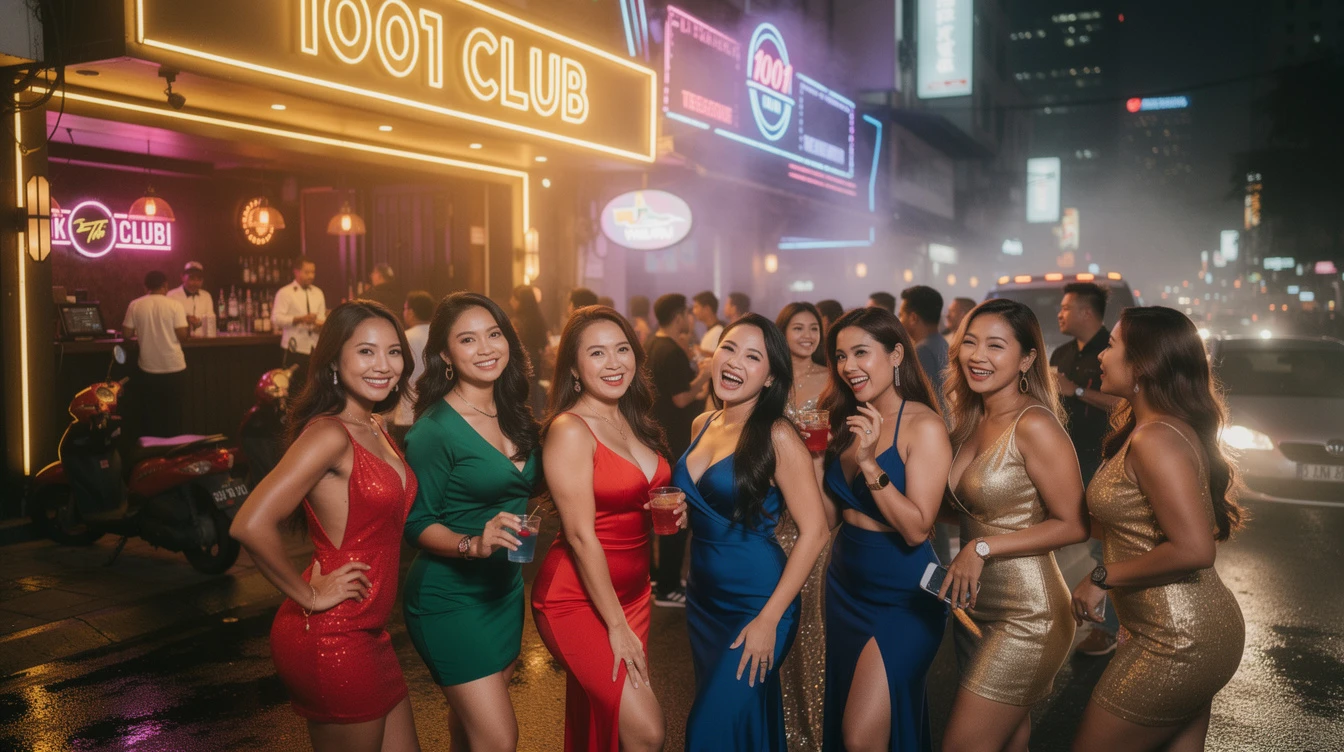
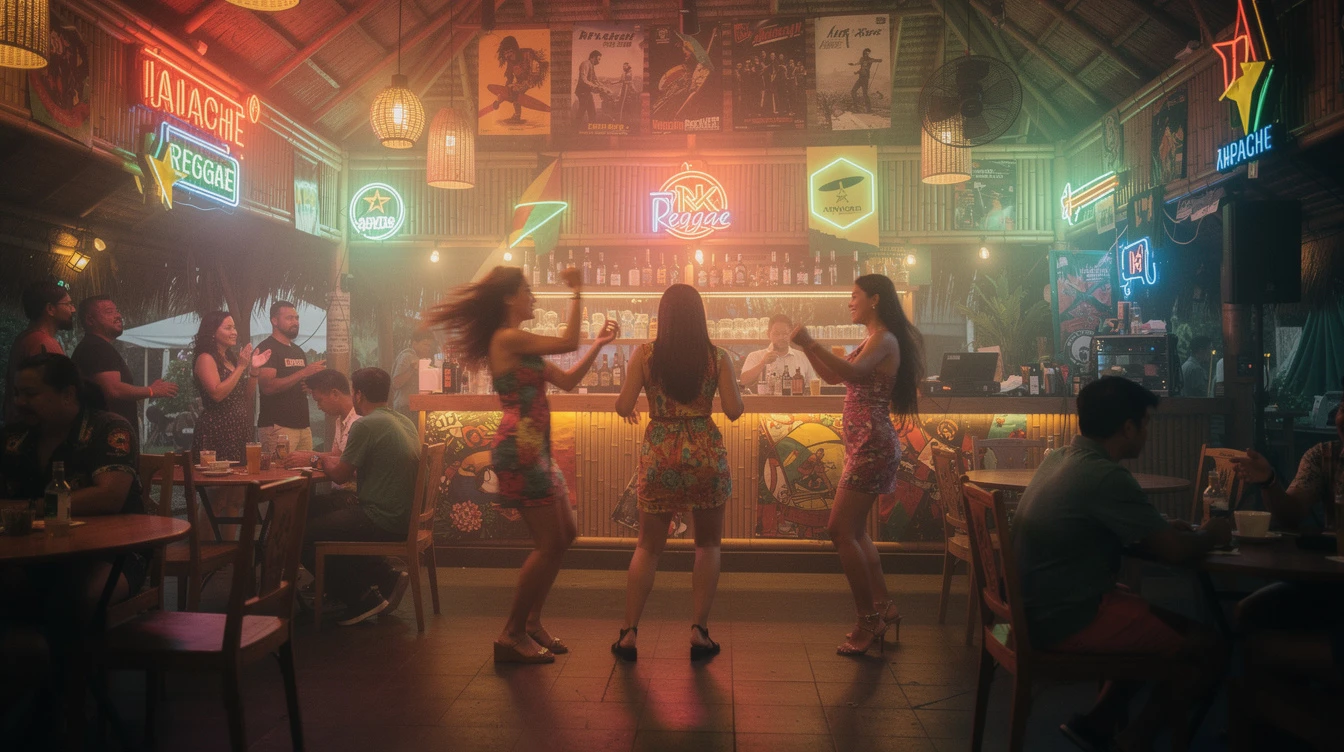
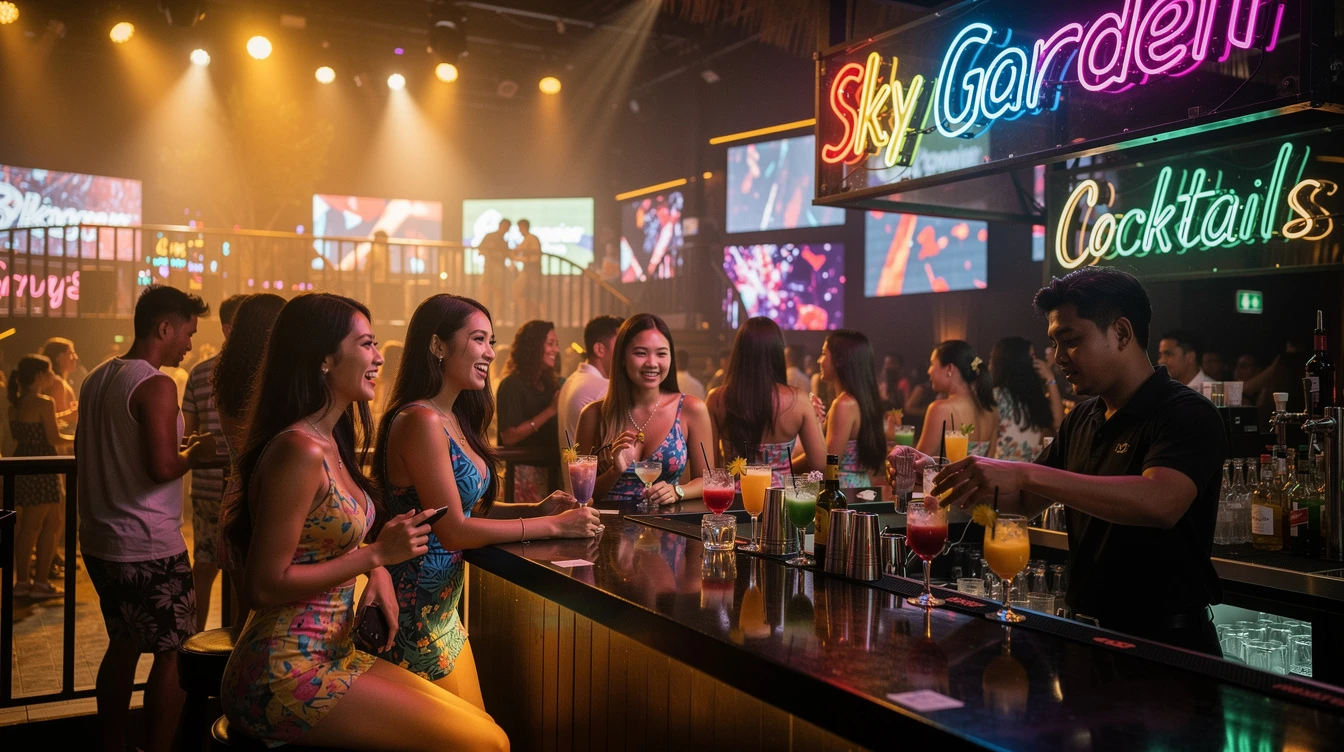
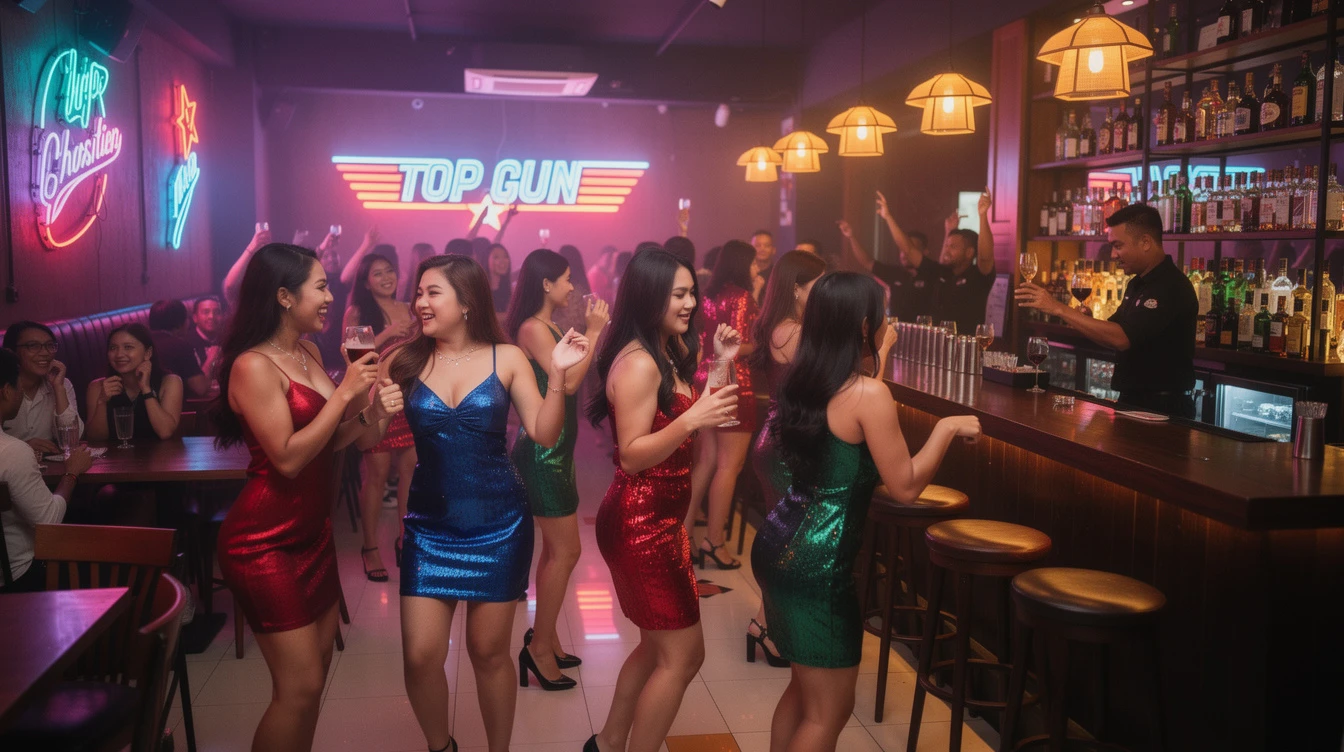
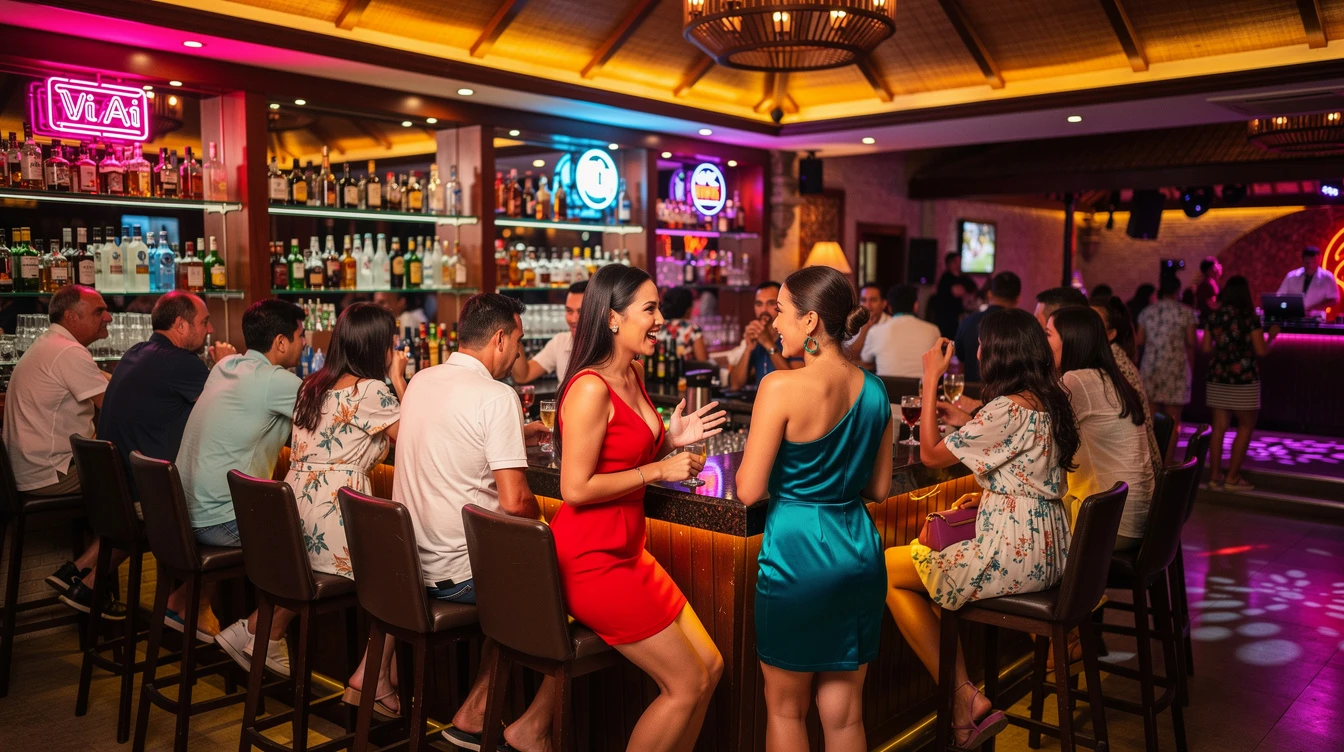
Indonesia is not Thailand, and the difference matters before you book. This is the largest Muslim-majority country on earth, and its adult nightlife runs quieter, more discreet, and more legally exposed than anything in Bangkok or Manila. There is no Nana Plaza here, no street of neon gogo bars operating to a posted schedule. What exists instead is a bar-and-club scene where the action is freelance rather than venue-organised, concentrated in a handful of places the international crowd already knows. The two that matter for this guide are Bali — the resort island where the tourist economy smooths most edges — and Jakarta, the sprawling capital where the expat bar strip of Blok M has run a Thailand-style scene for decades. Everywhere else, coverage thins fast. Indonesia rewards travellers who know exactly where they are going and reads as cold to those who do not.
The women
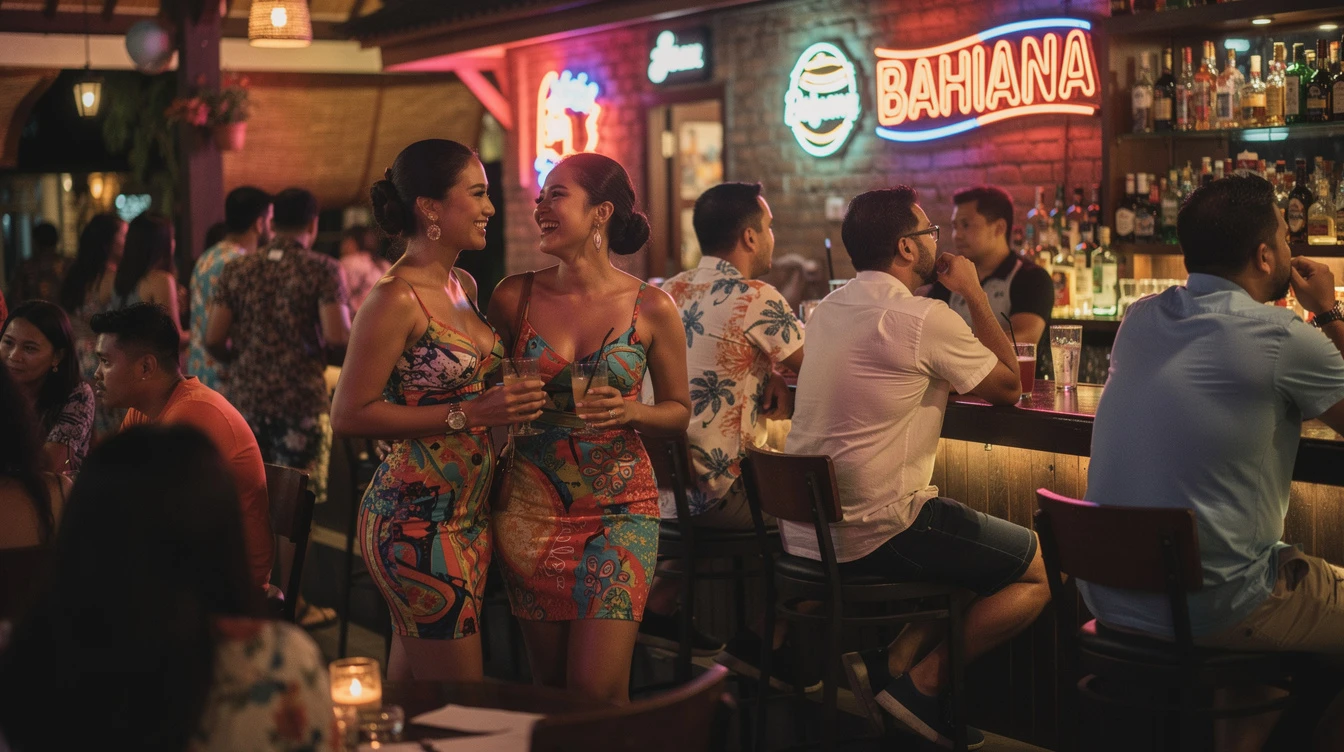
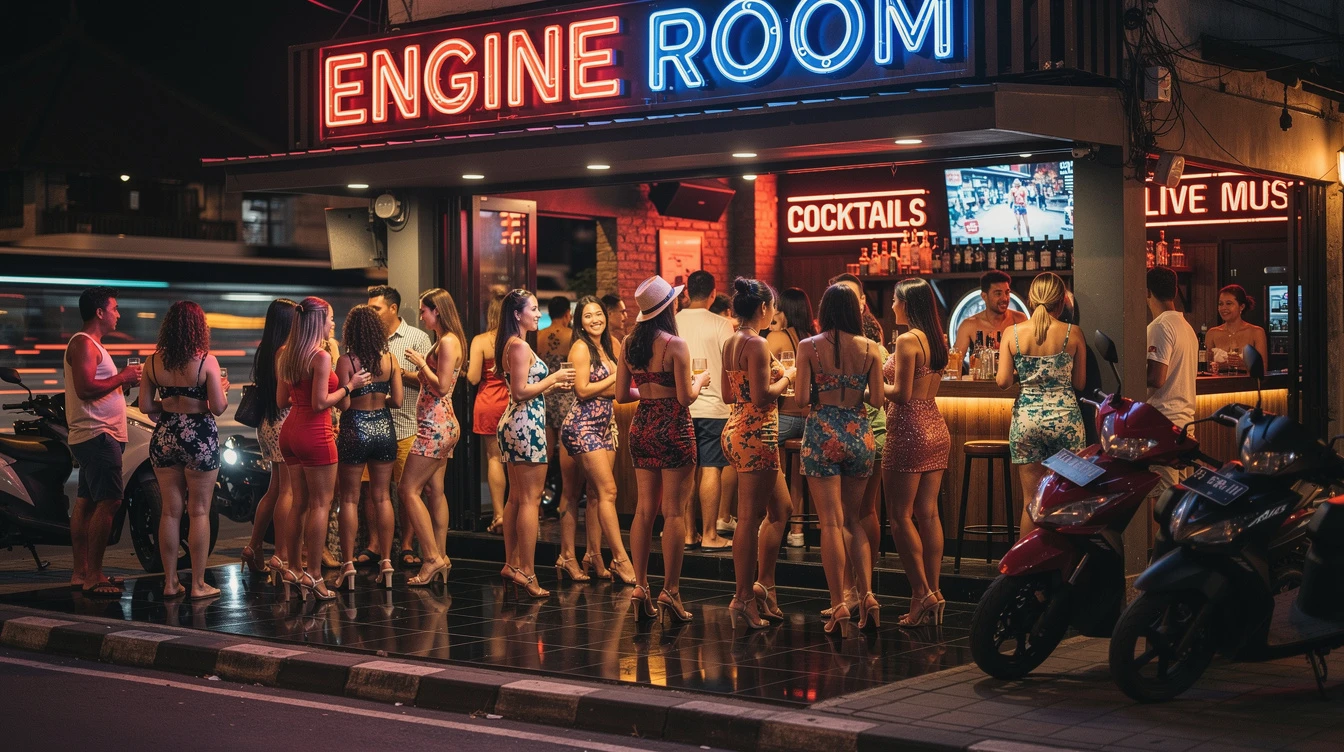
The scene in Indonesia is freelance-driven rather than venue-organised, which changes how the whole thing works compared to Thailand or the Philippines. There are no barfines and no gogo lineups; instead the bars and clubs of Seminyak, Kuta, and Blok M function as meeting grounds where the arrangement is direct and informal. The crowd is predominantly local Indonesian, with women travelling to Bali and Jakarta from across Java and the outer islands for the tourist economy. English ranges from functional to fluent in the international bars and drops off quickly outside them. Because the model is freelance and the legal cover is thin, the etiquette leans heavily on discretion, mutual respect, and reading the room — pushiness and assumption land worse here than almost anywhere else in the region. This is a scene that works for the traveller who treats it as social first and transactional second, and frustrates everyone who gets that order wrong.
Legal landscape
Prostitution is illegal across Indonesia, and unlike Thailand the tolerance is uneven and conditional. This is a Muslim-majority country where conservative politics periodically turn the screws, and the past decade saw the two largest red-light complexes in the country shut by force. Jakarta's Kalijodo district was demolished in 2016. Dolly in Surabaya — for years the biggest organised prostitution complex in Southeast Asia — was closed in 2014. The lesson the scene took from both was to disperse into bars, clubs, and freelance arrangements rather than concentrate where a mayor can bulldoze it. Bali is the exception that proves the rule: as a Hindu-majority island whose entire economy runs on tourism, it tolerates a freelancer bar scene that would draw raids in a Javanese city. Enforcement elsewhere is real but selective, aimed at organised venues and public visibility rather than individuals. Discretion is not optional here — it is the operating condition of the entire scene.
Where to go
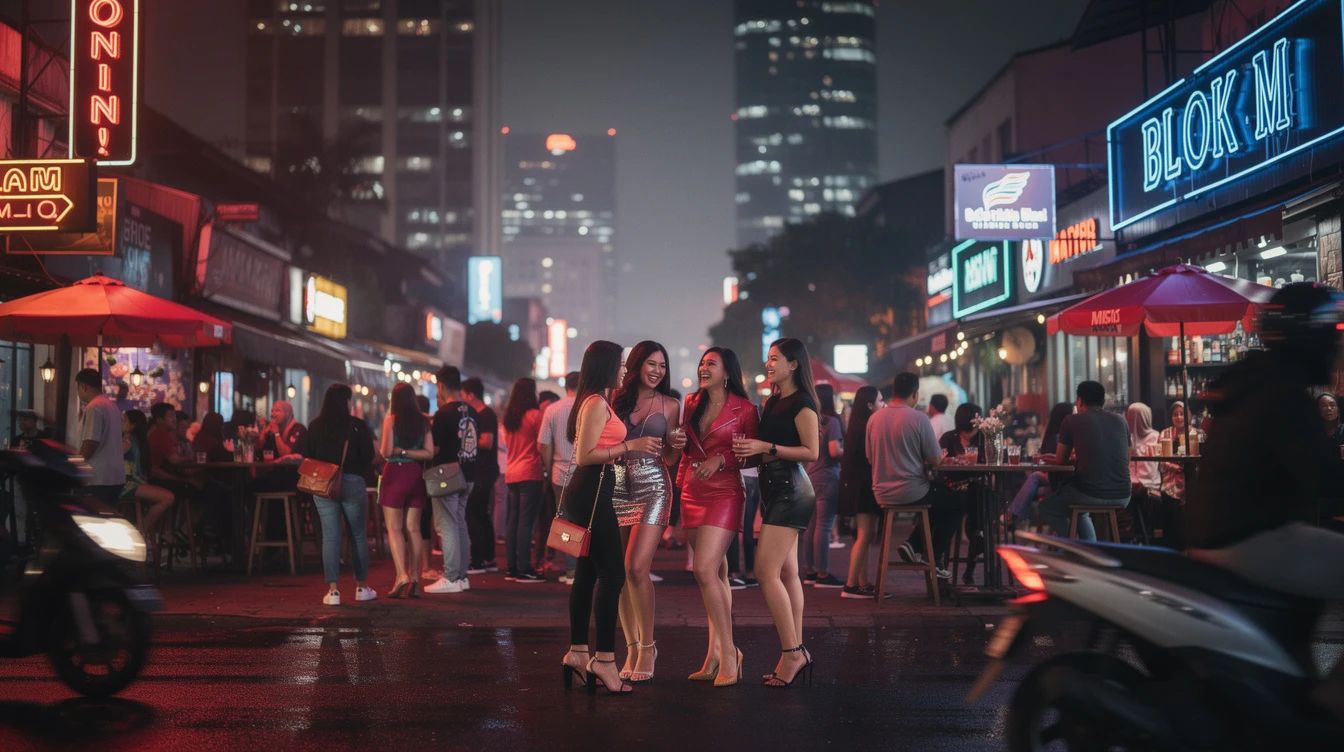
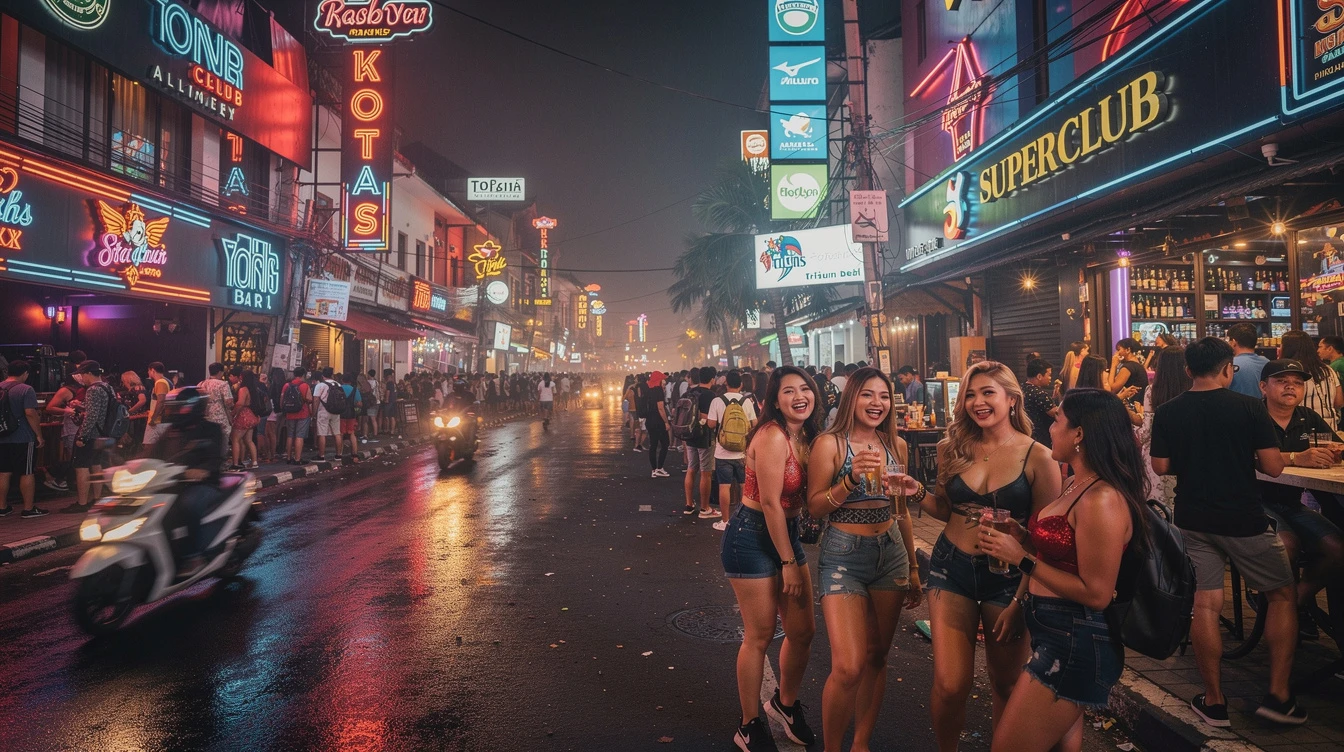
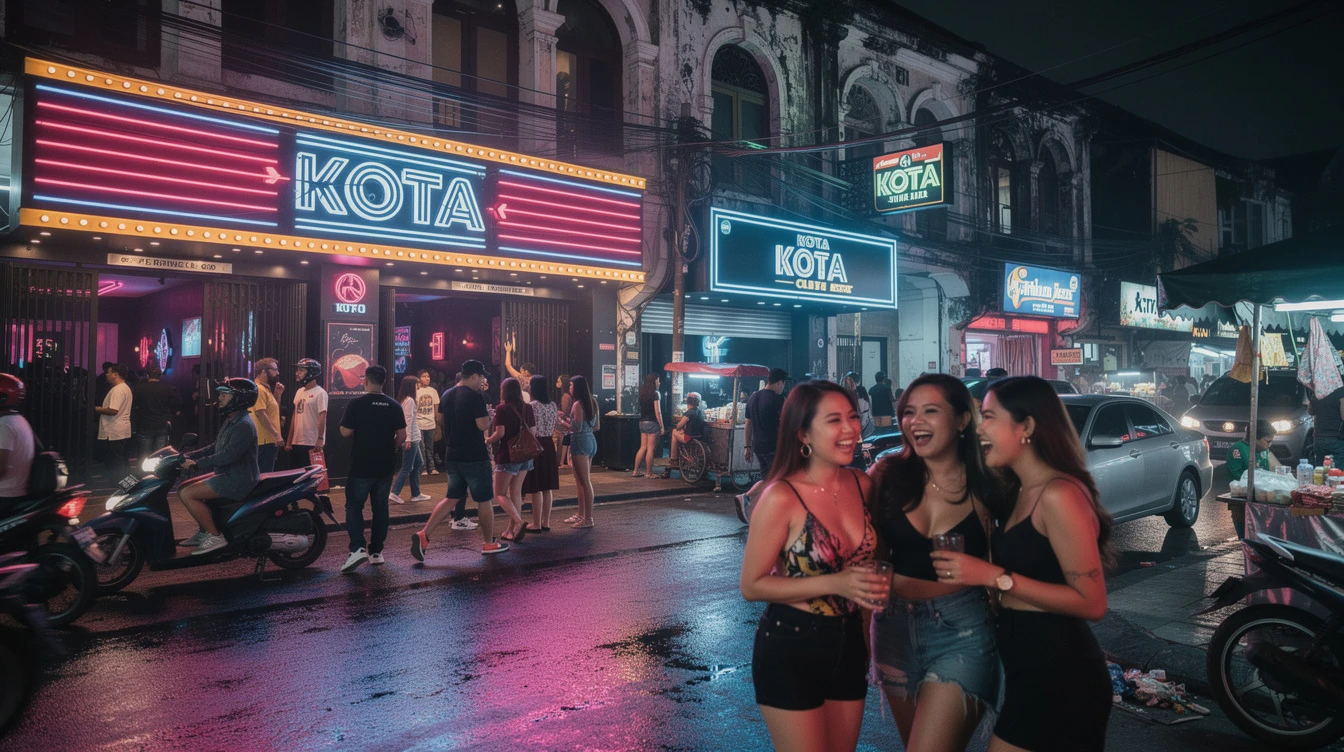
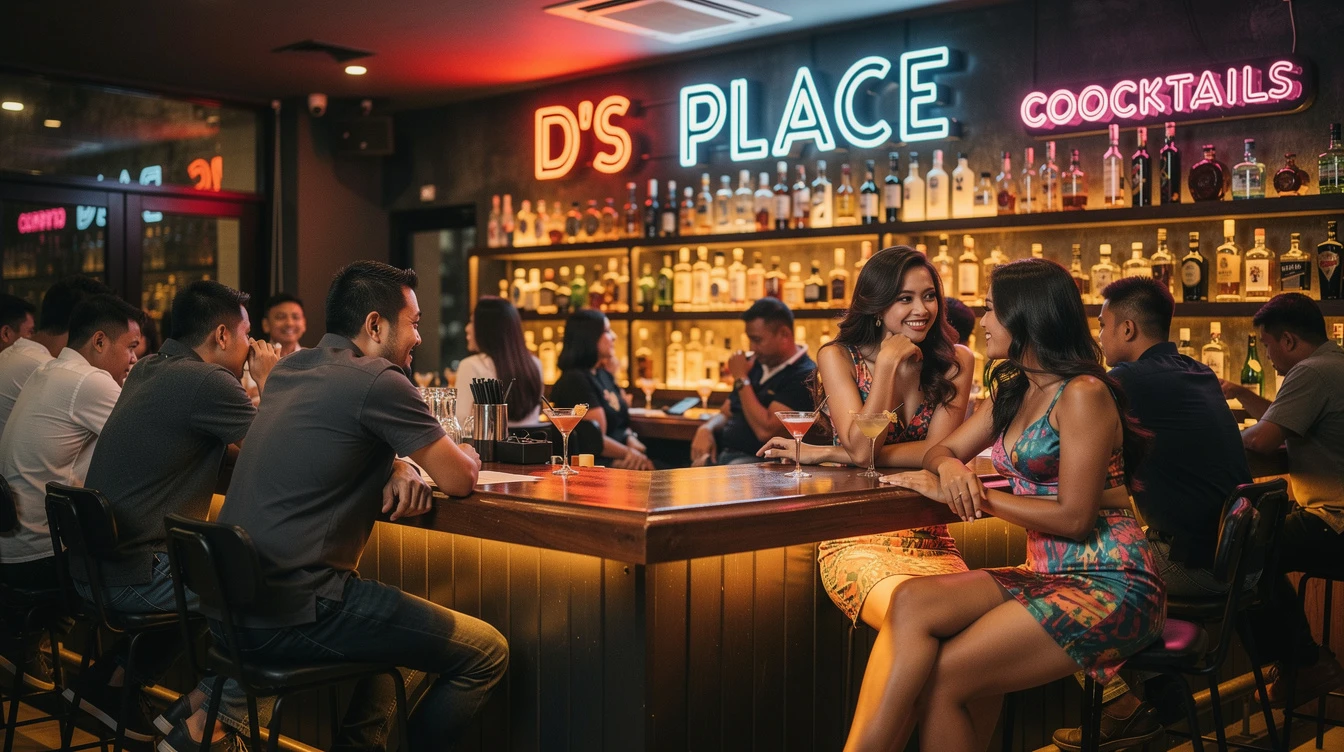
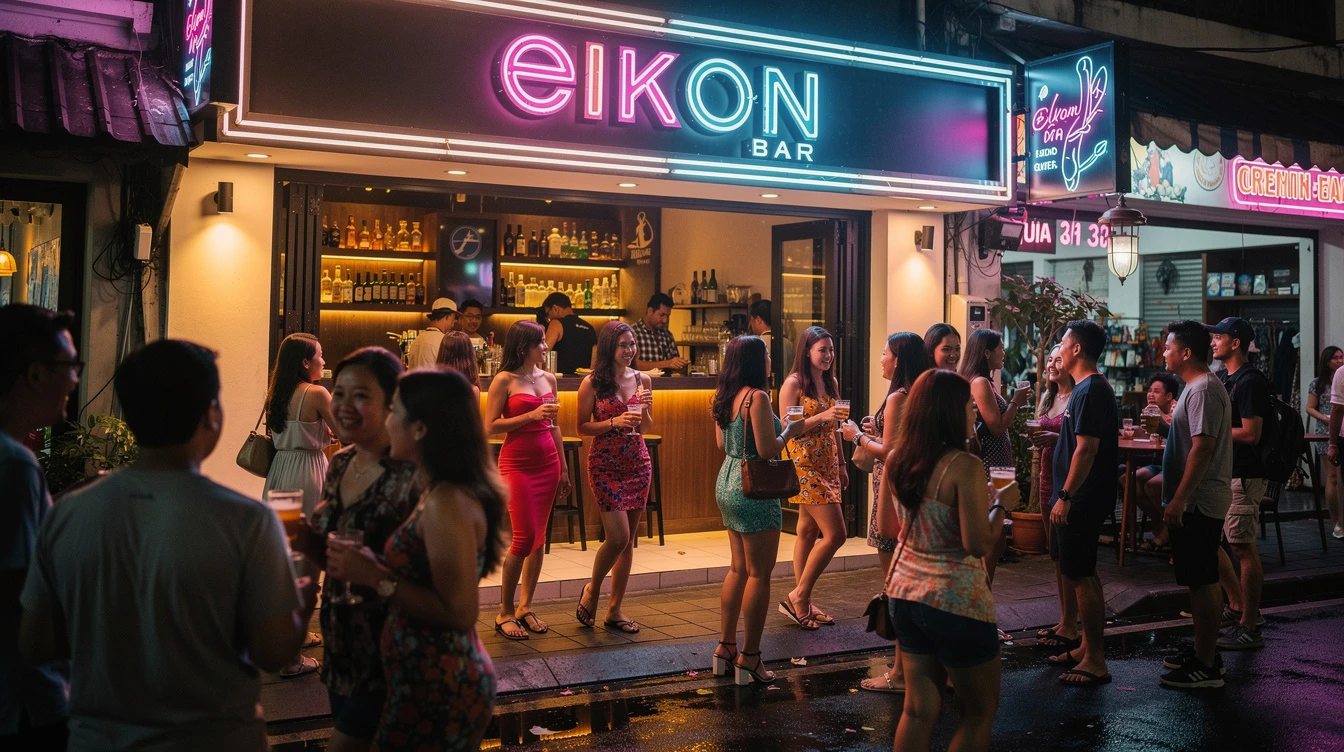
Two cities carry Indonesia's international nightlife, and they could not feel more different. Bali is the resort play: the scene clusters in the southern beach strip of Seminyak, Kuta, and Legian, where bars and superclubs run late and the crowd is a mix of tourists, expats, and locals. It is the most relaxed adult-adjacent environment in the country, smoothed by an economy that depends on visitors enjoying themselves. Jakarta is the opposite — a working capital of ten million where the action hides in plain sight. The centre of it is Blok M in the south, near the Little Tokyo expat pocket of Melawai, a bar strip that has run a Bangkok-style scene for decades and remains the first stop for anyone who knows the city. Kota, the old town in the north, adds an older, grittier club layer. Beyond these two cities, Indonesia's nightlife turns local, unmarked, and hard to read — not worth the trip for a first-time visitor.
Practical info
Indonesia runs on the rupiah (IDR), and the zeros take getting used to — prices in the tens and hundreds of thousands are normal, so check the count on every note. Most nationalities get a visa on arrival or visa-free entry for short stays; confirm your own before flying. Grab and Gojek are the transport backbone in both Bali and Jakarta — cheaper, safer, and less hassle than negotiating with street taxis, and Gojek's motorbike option beats Jakarta's traffic. Cash still rules the nightlife economy; ATMs are everywhere in tourist zones but dispense limited amounts per withdrawal, so plan ahead. A local SIM from Telkomsel or XL costs little and works far better than roaming. Bargaining is expected in markets and with informal services but not in established bars and clubs, where prices are set. Bali runs more expensive than Jakarta across the board — the tourist premium is real.